
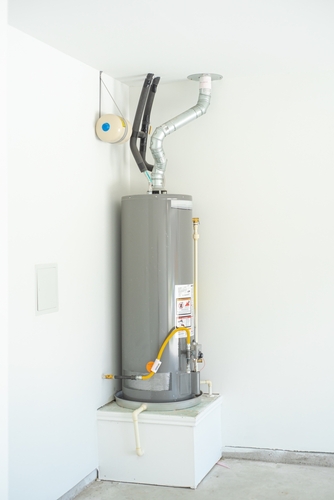
Your furnace and water heater are two of the most essential systems in your home—quietly working in the background to keep your family comfortable year-round. When new state regulations are announced, it’s natural for homeowners to wonder what those changes mean for their comfort, budget, and long-term plans. Colorado’s 2026 updates to gas furnaces and water heaters are designed to improve air quality, but they don’t require sudden or forced changes for homeowners.
Knowing what’s ahead now can help you make calm, informed decisions later—without the stress of last-minute replacements or unexpected costs.
If you’re curious about how long your current system may last or what future-friendly options could look like for your home, start the conversation with Allen Service for clarity. A simple system check or planning discussion can help you feel prepared—without any pressure to replace equipment before the time is right.
Below is a clear, homeowner-friendly breakdown of what the 2026 changes mean and what you can do now to stay prepared.
What’s Changing for Gas Furnaces and Water Heaters in 2026?
Starting January 1, 2026, Colorado will implement new equipment standards under House Bill 23-1161. These rules limit which new gas-fired central furnaces and natural-gas water heaters may be sold or installed in the state.
After that date, new gas units must meet ultra-low nitrogen oxide (NOₓ) emissions limits or meet recognized efficiency standards, such as ENERGY STAR® certification. The goal is to reduce air pollution while still ensuring homeowners have access to reliable heating and hot water.
A few important points to know:
- The rule applies only to new sales and installations, not to existing equipment.
- Retailers may continue selling non-compliant units they already have in stock until inventory is depleted.
- Homeowners are not required to remove or replace a working system simply because of the new rules.
What Does “Low-NOₓ” Mean for Homeowners?
Nitrogen oxides (NOₓ) are gases released during combustion that contribute to smog and poor air quality. In Colorado, especially along the Front Range, reducing these emissions is a key step toward improving overall air quality and public health.
Low-NOₓ and ultra-low-NOₓ systems are designed to:
- Burn fuel more cleanly
- Release fewer harmful emissions into the air
- Support statewide efforts to reduce pollution
For homeowners, this change is less about regulation and more about cleaner, more efficient technology becoming the standard.
Do Low-NOₓ Systems Affect Comfort or Performance?
A common concern is whether cleaner equipment means lower performance. Fortunately, that’s not the case. Today’s low-NOₓ furnaces and water heaters are engineered to deliver the same level of comfort homeowners expect.
These systems are designed to:
- Maintain consistent indoor temperatures
- Provide dependable hot water
- Operate efficiently without sacrificing reliability
In many cases, homeowners may not notice any difference in day-to-day comfort—other than potentially improved efficiency and quieter operation.
Do You Have to Replace Your Existing Furnace or Water Heater?
No. If your current furnace or water heater is working correctly, you are not required to replace it because of the 2026 changes. Existing systems may remain in use for their expected lifespan.
The new standards come into play when:
- A system fails and needs replacement
- You choose to upgrade proactively
- A new home or addition requires new equipment
Knowing this ahead of time helps you avoid rushed decisions during a breakdown or extreme weather event.
Options to Consider When It’s Time to Replace
When replacement time comes, you will have several options to consider. The best choice depends on your home, energy goals, and budget.
Common options include:
- Low-NOₓ gas furnaces and water heaters – Designed to meet Colorado’s emissions standards while delivering familiar performance.
- Heat pumps – An electric alternative that can provide heating and cooling, depending on the system and home layout.
- Tankless water heaters – Heat water on demand and may offer efficiency benefits for some households.
Each option has different installation requirements and benefits, so it’s helpful to explore them before an emergency replacement is necessary.
What You Can Do Now to Prepare
You don’t need to take immediate action, but a little planning now can make future decisions easier. Preparing ahead allows you to explore options within your timeline rather than during a stressful breakdown.
Helpful steps you can take now include:
- Paying attention to the age and condition of your current system
- Scheduling regular maintenance to help extend equipment life
- Learning about low-NOₓ and alternative systems before replacement becomes urgent
- Watching for rebates or incentives that may be available for early upgrades
Planning early can also help you spread costs and avoid last-minute decisions during peak heating or cooling seasons.
Planning with a Trusted Local Team
Colorado’s 2026 changes are designed to improve air quality without disrupting homeowners with functioning systems. While no immediate action is required, staying informed can help you feel confident when the time comes to repair or replace your equipment.
If you have questions about how these changes may affect your home or want help exploring future-ready options, Allen Service provides clear guidance and dependable service. With thoughtful planning and the right information, you can move forward confidently.
Contact us at (970) 431-6574 for heating or water heater service.