

Colorado summers bring more than sunshine — they bring some of the season's most dramatic thunderstorms, and with them, a real risk to your home's electrical system. If you've ever wondered whether your outlets, appliances, and electronics are actually protected from power surges, you're not alone. Here's what you need to know, and what you can do about it.
Storms don't wait, and neither should you. If you're concerned about your home's electrical safety, call Allen Service at (970) 431-6574 or request service through our online contact form today.
What Is a Power Surge, Exactly?
A power surge is a sudden spike in electrical voltage flowing through your home's wiring. Think of it like a wave of extra electricity hitting your system all at once — more than your outlets and devices are designed to handle.
Surges can be caused by:
Lightning strikes near power lines or your property
Grid fluctuations from the utility company, especially during high-demand periods
Large appliances cycling on and off, like air conditioners, furnaces, or well pumps, which create smaller internal surges every time they kick on
Most surges are small and go unnoticed. But over time, repeated small surges — or one major one — can quietly damage the sensitive components inside your electronics and appliances.
Why This Matters More in Colorado
Front Range communities like Fort Collins, Denver, and Commerce City see frequent summer thunderstorms, and lightning activity tends to peak in July and August. Add in Colorado's rapidly changing weather patterns, and your home's electrical system is working overtime during these months.
Even if a storm doesn't cause an obvious outage, nearby lightning strikes can send surges through the grid and into your home without you ever knowing it happened, until an appliance mysteriously stops working weeks later.
Plug-In vs. Whole-House Surge Protectors: What's the Difference?
Many homeowners assume the power strips protecting their TV or computer are enough. Unfortunately, that's only part of the picture.
Plug-in surge protectors:
Protect individual devices plugged directly into them
Offer limited capacity and wear out over time
Do nothing for hardwired appliances like HVAC systems or water heaters
Whole-house surge protectors:
Installed directly at your electrical panel
Protect your entire home's electrical system, not just what's plugged in
Act as the first line of defense before a surge ever reaches your outlets
Work alongside plug-in protectors for layered protection on sensitive electronics
In short, plug-in protectors are a helpful backup, but a whole-house unit is what actually safeguards your home's core systems.
Signs Your Home May Be at Risk
Not sure if your home needs this kind of protection? Watch for these red flags:
An older electrical panel that hasn't been updated in 15+ years
No existing surge protection installed at the panel
Frequent thunderstorms or power blinks in your area
Smart home devices, home offices, or expensive electronics that would be costly to replace
Appliances that have mysteriously failed with no clear explanation
If any of these sound familiar, it's worth having an electrician take a closer look at your panel.
What's Actually at Risk
Power surges don't just threaten your phone charger. Left unprotected, your home's most valuable systems are on the line, including:
HVAC systems — furnaces and air conditioners rely on sensitive circuit boards
Water heaters — especially tankless models with digital components
Smart thermostats — designed for efficiency, but vulnerable to voltage spikes
Major appliances — refrigerators, washers, dryers, and more
Home electronics — TVs, computers, gaming systems, and security equipment
Replacing even one of these prematurely can cost far more than the price of protecting them in the first place.
How a Whole-House Surge Protector Works
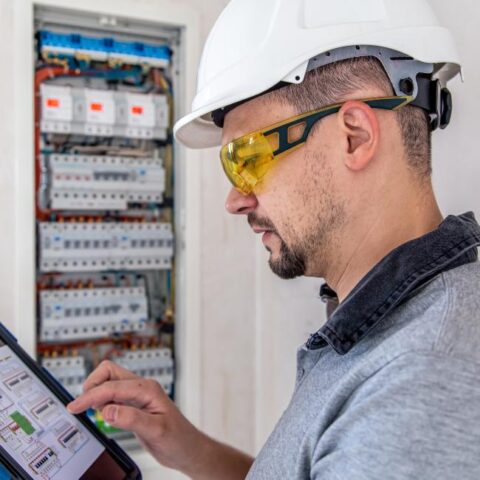
A whole-house surge protector is installed directly at your electrical panel, where all the power entering your home passes through before reaching individual circuits. When a surge occurs, the device diverts the excess voltage safely away, before it ever reaches your outlets or appliances. It's a one-time installation that provides ongoing, whole-home protection every time a storm rolls through.
Protect Your Home Before the Next Storm Hits
Colorado's storm season isn't slowing down, and neither should your home's protection. If you're unsure whether your electrical panel can handle what summer throws at it, the team at Allen Service is here to help. Call us at (970) 431-6574 or reach out through our online contact form to schedule an electrical safety inspection today.